Skill Development as a Driver of Livelihood & Economic Growth
From learning to earning - that’s the power of skills
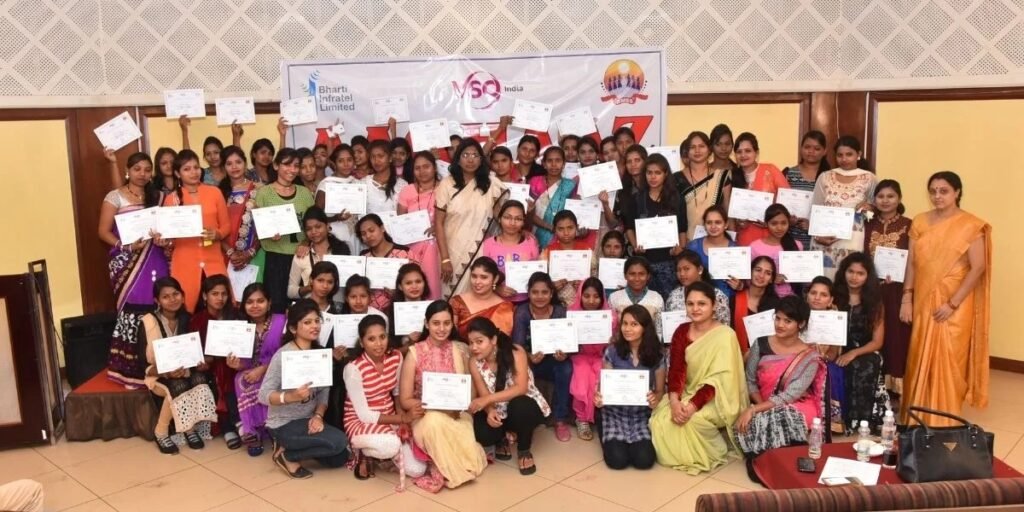
Skill development is a critical driver of economic growth, employment generation, and social mobility. In a rapidly changing economy, traditional education systems often fall short in equipping individuals with practical, job-oriented skills. This gap disproportionately affects youth and women from disadvantaged communities, limiting their access to stable income opportunities and sustainable livelihoods.
India, despite its demographic advantage of a young workforce, faces a significant skill deficit. A large segment of the population lacks formal vocational training, making it difficult to meet the demands of an evolving job market. Bridging this gap requires structured, demand-driven skill development programs that are aligned with industry needs and local livelihood opportunities.
Recognizing this need, BMSS (Berojgar Mahila Sewa Samiti) has developed a focused and execution-driven skill development program aimed at empowering disadvantaged youth and women. The organization’s approach is centered on enhancing employability, enabling income generation, and fostering long-term economic self-reliance.
BMSS Vision
Vision & Objectives in Skill Development
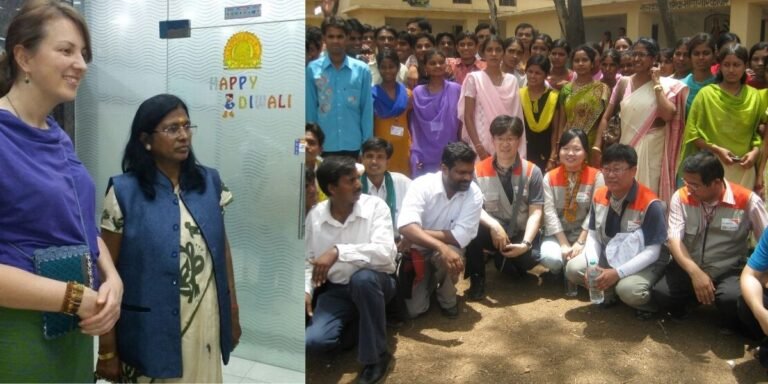
BMSS envisions a society where individuals from marginalized communities are equipped with relevant skills to secure sustainable livelihoods and improve their socio-economic status. The organization is committed to transforming lives through skill-based training that leads to employment, entrepreneurship, and financial independence.
The primary objective of BMSS’s skill development program is to bridge the gap between education and employability.
By providing structured, market-relevant training, BMSS enables participants to enhance their earning potential and access better livelihood opportunities.
A strong focus is placed on women’s empowerment, where skill training acts as a catalyst for financial independence and improved decision-making within households. At the same time, BMSS supports youth in acquiring industry-relevant skills that open pathways to employment and career growth.
Program Overview (Multi-Skill Training Approach)
BMSS implements a multi-skill training model designed to address the diverse needs of disadvantaged communities in both urban and rural areas. The program focuses on practical, job-oriented training that can lead to immediate employment or self-employment opportunities.
To ensure effectiveness, BMSS has established dedicated training centers equipped with IT-enabled infrastructure and vocational training facilities. These centers serve as hubs for skill development, enabling participants to gain hands-on experience in a structured learning environment.
The organization offers training across key sectors such as Information Technology Enabled Services (ITES), stitching and tailoring. Each program is designed with a defined curriculum, duration, and outcome focus, ensuring that participants acquire relevant skills that align with market demand.
ITES (Computer-Based Skill Training)
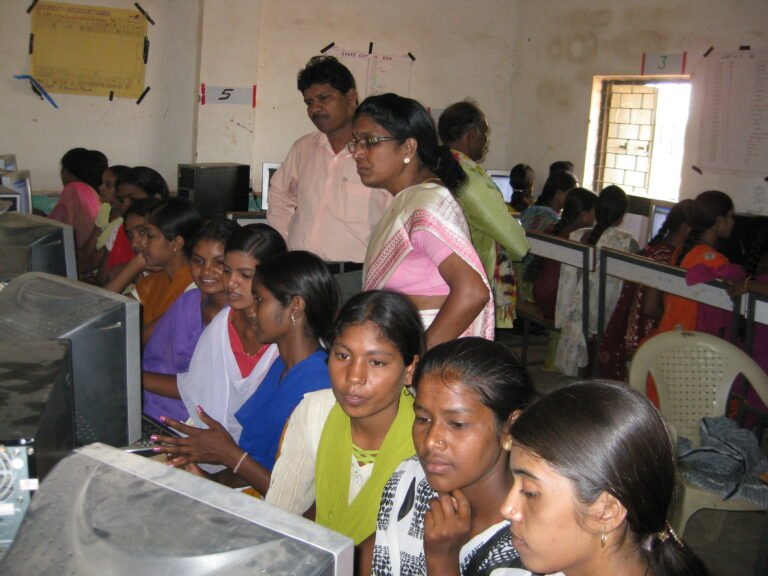
BMSS has introduced ITES-based training programs to equip youth with essential digital skills required in today’s workforce. As industries increasingly rely on technology, basic computer literacy has become a fundamental requirement for employment.
The organization conducts structured six-month training programs covering core areas such as MS Office applications, internet usage, digital communication tools, and data management. Participants are also trained in practical applications such as online platforms and basic digital transactions.
Training is delivered by qualified instructors following standardized curriculum frameworks, ensuring consistency and quality. The program prepares participants for entry-level roles such as data entry operators, desktop publishing assistants, and IT help desk support.
By focusing on digital skill development, BMSS enhances employability and enables participants to access opportunities in both formal and informal sectors.
Women-Centric Skill Development (Stitching & Tailoring)
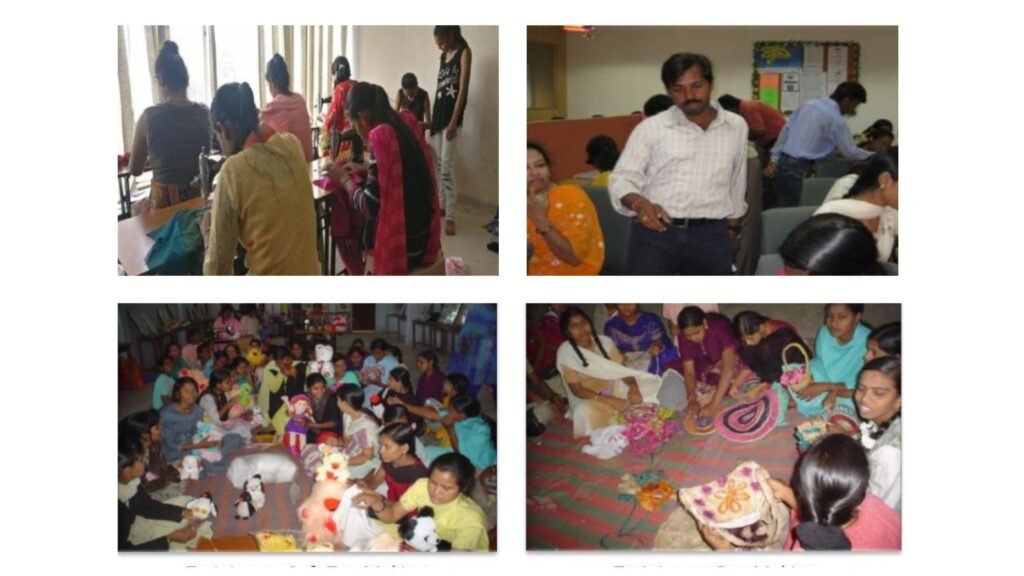
Empowering women through skill development is a central component of BMSS’s approach. The organization runs dedicated stitching and tailoring programs aimed at enabling women to achieve financial independence and contribute to household income.
The training program, typically conducted over four months, focuses on practical and market-relevant skills. Participants are trained in designing and stitching garments, school uniforms, bags, and home furnishing items such as cushion covers and sofa sets.
BMSS ensures that training is delivered by experienced instructors,
enabling participants to learn both traditional and modern techniques. The program is inclusive and accessible to women from diverse educational backgrounds.
By equipping women with income-generating skills, BMSS supports their transition into self-employment or wage-based work, contributing to improved economic stability and empowerment.
Entrepreneurship & Livelihood Generation
BMSS extends its support beyond skill training by promoting entrepreneurship and livelihood generation. The organization recognizes that self-employment is a key pathway for economic empowerment, particularly in areas with limited formal job opportunities.
Participants are encouraged to start small-scale enterprises based on their skills. BMSS provides guidance on setting up home-based businesses, managing basic finances, and identifying local market opportunities.
This approach ensures that skill development leads to sustainable income generation and long-term economic independence.
Industry Linkages & Placement Support
To enhance employment outcomes, BMSS actively develops linkages with private sector organizations and local businesses. These partnerships help align training programs with market requirements and create opportunities for job placement.
Participants from ITES programs are connected with potential employers for roles in data entry, digital operations, and support services. This integration of training with placement support ensures that beneficiaries are able to translate their skills into meaningful employment.
Community-Based Training Infrastructure (Labs & Centers)
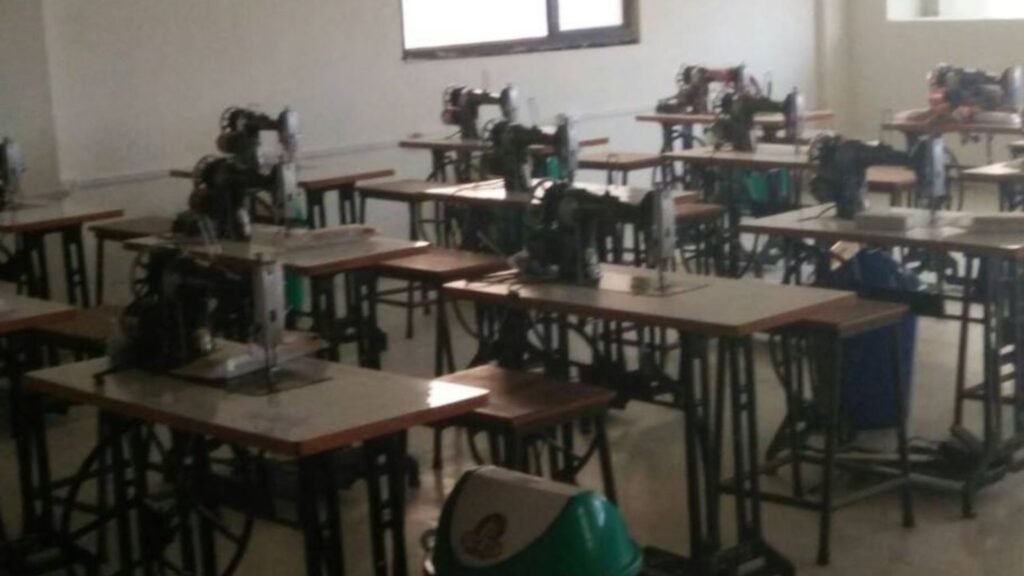
BMSS has established training centers and IT-enabled labs in locations such as Bhilai and Raipur to ensure accessibility for beneficiaries. These centers provide a structured environment for learning and skill development.
Equipped with necessary tools and resources, the centers facilitate hands-on training and practical application of skills. By situating these facilities within target communities, BMSS reduces barriers to participation and ensures wider outreach.
Implementation Model & Training Process
BMSS follows a structured implementation model that ensures efficiency and accountability. The process begins with the identification and registration of candidates, followed by counseling to assess their interests and training needs.
Participants are then enrolled in structured training programs delivered by qualified trainers. The training emphasizes practical learning and real-world application, ensuring that skills acquired are relevant and usable.
Upon completion, BMSS provides support for employment placement or enterprise development, ensuring a seamless transition from training to livelihood.
Success Outcomes (Employment, Self-Employment, Income Growth)
The success of BMSS’s programs is reflected in the outcomes achieved by its beneficiaries. Many participants have secured employment in entry-level roles, while others have started their own businesses.
Women trained in tailoring have established home-based enterprises or joined local tailoring units, contributing to household income. These outcomes demonstrate the effectiveness of BMSS’s approach in enabling economic empowerment.
Future Roadmap & Skill Program Expansion
BMSS aims to expand its skill development programs to reach a larger population and align with emerging industry demands. The organization plans to introduce new training modules, strengthen industry partnerships, and enhance training infrastructure.
Future strategies include scaling training centers, integrating digital learning tools, and increasing focus on entrepreneurship development. By aligning its programs with national skill development priorities, BMSS is positioned to create long-term impact.
Donate to BMSS
(Berojgar Mahila Sewa Samiti)
Eligible for tax exemption under Section 80G of Income Tax Act
🇮🇳 Donate from India (80G Tax Benefits Available)
- ₹2,000 supports skill training for one woman
- ₹5,000 helps organize a community health camp
- ₹10,000 contributes to livelihood and rehabilitation of vulnerable groups
👉 For higher contributions or partnership opportunities, connect with us at manorama@bmss.org.in
Donate Now (India)All donations to Berojgar Mahila Sewa Samiti (BMSS) programmes are eligible for 50% tax exemption u/s 80G of the Income Tax 1961
*After donation, must submit your PAN Card number at this email: manorama@bmss.org.in
Give Beyond Borders
BMSS is FCRA registered and authorized to receive international donations
🌍 Donate from Outside India (FCRA Approved)
- $50 supports essential healthcare services
- $100 enables skill development and training programs
- $500 helps scale livelihood and rehabilitation initiatives
👉 For large donations or implementation partnerships, email us at manorama@bmss.org.in
Donate Now (International)By contributing to BMSS, you invest in a future where women are empowered to reach their full potential, and enable them to live with dignity and respect.